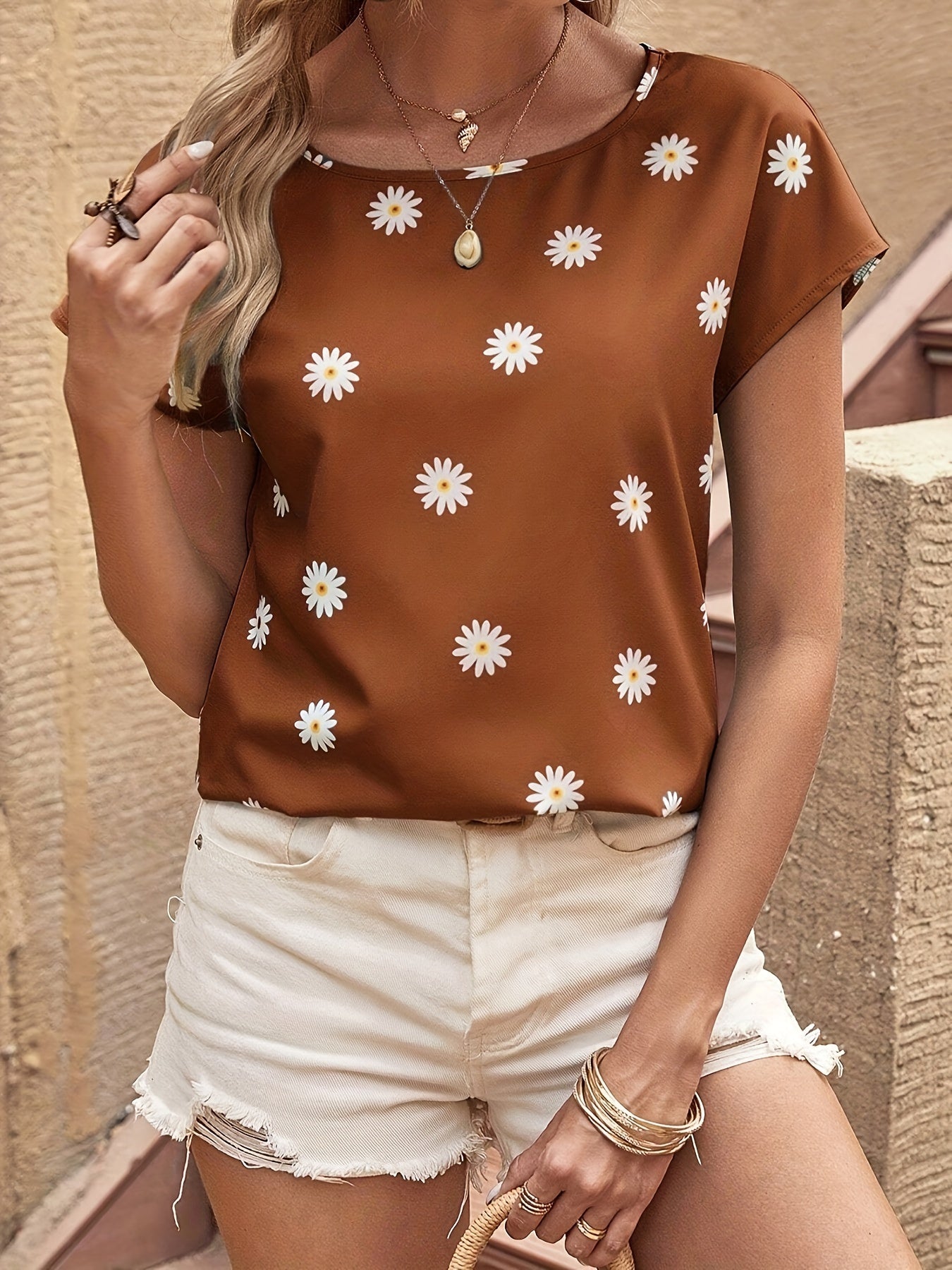
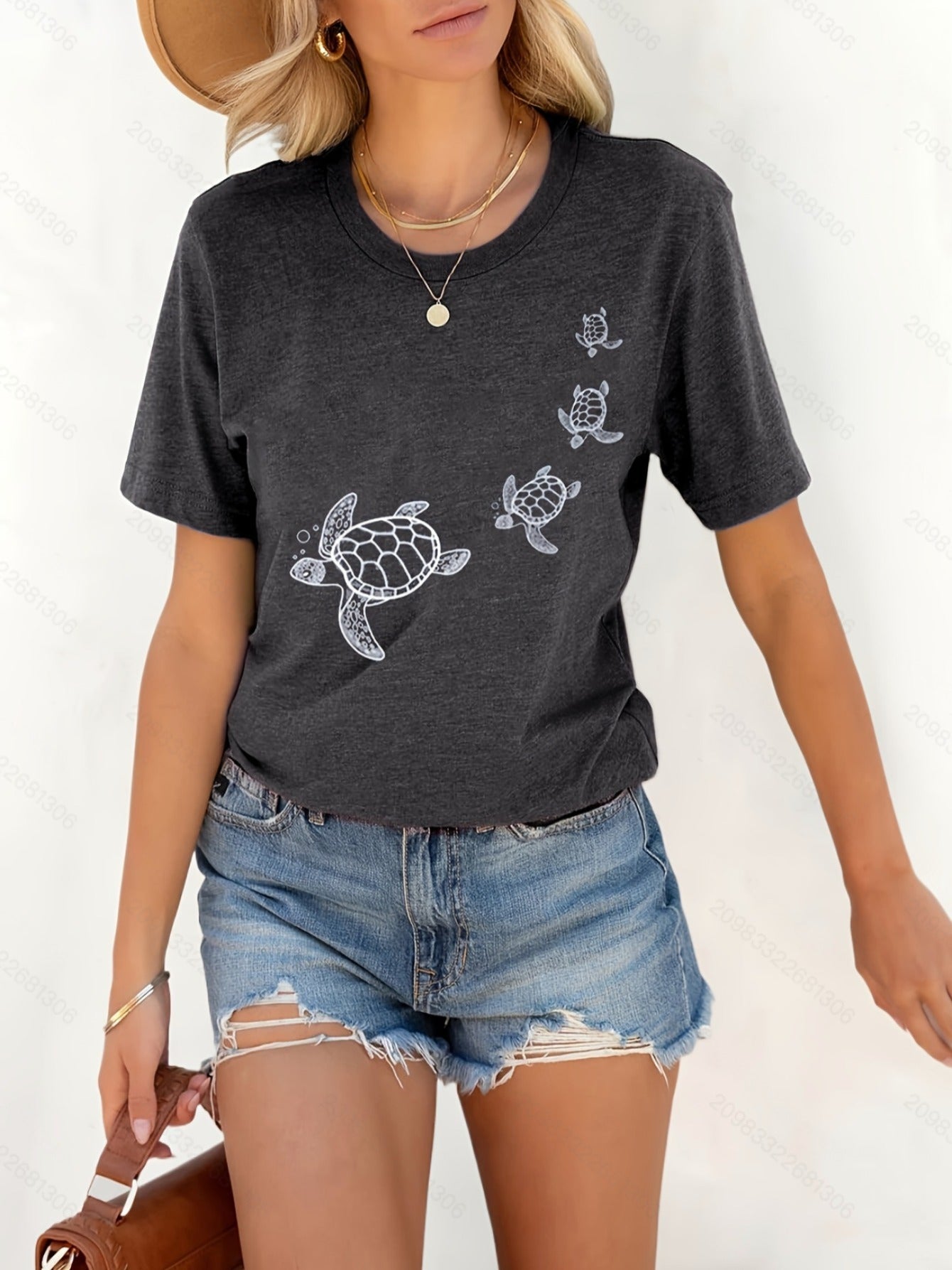
When it comes to modern fashion, the debate around Streetwear vs Casual Wear continues to grow. Both styles dominate everyday wardrobes, yet they communicate entirely different vibes. One leans into culture, statement pieces, and bold identity. The other prioritizes comfort, simplicity, and versatility. Understanding how each works helps you build a wardrobe that fits your lifestyle and personal aesthetic.
The conversation around Streetwear vs Casual Wear is more than trend-driven-it’s about intention. What are you trying to express? Effortless comfort or cultural edge? Relaxed polish or urban attitude? Knowing the distinction allows you to dress strategically for different settings without compromising comfort or authenticity.
Key Takeaways
-
Streetwear is rooted in youth culture, music, and skate influences.
-
Casual wear prioritizes comfort and everyday functionality.
-
The difference between streetwear and casual wear lies in intention and statement.
-
Streetwear often features bold graphics and limited releases.
-
Casual wear relies on timeless basics and neutral palettes.
-
Both styles can be mixed effectively.
-
Occasion determines styling adjustments
-
Accessories elevate both looks.
-
Personal lifestyle influences wardrobe choices.
-
Streetwear vs casual fashion is about expression versus ease.
What is Streetwear?
Streetwear emerged from skateboarding, hip-hop, and surf culture in the 1980s and 1990s, making it a defining form of urban fashion history. It began as a grassroots fashion movement, shaped by independent designers and underground communities. Graphic tees, oversized silhouettes, sneakers, and statement hoodies became core pieces. Unlike traditional fashion, streetwear prioritized authenticity and limited-edition drops, creating exclusivity and hype.
Over time, luxury brands embraced streetwear aesthetics, pushing it into mainstream fashion. Collaborations between high-end labels and street designers blurred boundaries. Today, streetwear represents individuality, cultural commentary, and bold styling. It thrives on layering, logos, and standout footwear. More than clothing, it signals belonging to a culture that values creativity and confidence.
What is Casual Wear?
Casual wear focuses on comfort, simplicity, and adaptability, reflecting its role as everyday relaxed wardrobe choice. It includes everyday staples like jeans, basic tees, sweaters, sneakers, and relaxed trousers. Unlike trend-driven fashion, casual style emphasizes practicality and wearability. It allows freedom of movement while maintaining a neat appearance.
This style adapts easily across environments-from running errands to informal office settings. Casual wear is less about making a bold statement and more about feeling comfortable while looking put together. Neutral tones, minimal branding, and timeless cuts define the aesthetic. It’s reliable, versatile, and suitable for nearly any relaxed setting.
Feature Article: 50s Outfit Ideas for Women: Vintage Looks for Every Occasion
Key Differences Between Streetwear and Casual Wear
Understanding Streetwear vs Casual Wear requires clarity on aesthetics, purpose, and presentation. While both are informal, their intentions differ significantly. Below is a breakdown to clarify their distinctions.
Branding and Graphics Logos and graphics dominate streetwear. Casual wear minimizes visible branding. Cultural Influence Streetwear reflects youth subcultures. Casual wear aligns with general lifestyle needs. Purpose and Occasion Streetwear expresses identity. Casual wear prioritizes ease and adaptability.
Style Identity
Streetwear is rooted in bold self-expression and cultural relevance. It often makes a statement through striking colors, standout pieces, and trend-driven combinations that reflect music, art, and urban influence. Casual wear, on the other hand, focuses on understated comfort and timeless appeal. It values clean lines, neutral tones, and simplicity. While streetwear aims to turn heads and communicate personality, casual wear is designed to feel effortless and adaptable, blending seamlessly into everyday settings without demanding attention.
Fit and Silhouette
Fit plays a defining role in separating these two styles. Streetwear frequently embraces oversized hoodies, wide-leg pants, layered proportions, and unconventional cuts that create a relaxed yet dramatic look. The silhouette is intentional and often exaggerated. Casual wear typically features relaxed but structured cuts-straight-leg jeans, fitted tees, and tailored joggers. The goal is comfort without sacrificing neatness. While streetwear experiments with shape, casual wear maintains balance and proportion for easy, everyday wear.
Branding and Graphics
Brand visibility is a major differentiator. Streetwear thrives on logos, graphic prints, bold typography, and statement artwork. Limited-edition drops and recognizable branding often add exclusivity and identity. Casual wear, however, keeps branding minimal or discreet. It prioritizes solid colors and subtle detailing over loud visuals. The emphasis remains on versatility rather than brand recognition. In essence, streetwear celebrates visibility and statement-making graphics, while casual wear values simplicity and understated design.
Cultural Influence
Streetwear draws heavily from youth subcultures, including skateboarding, hip-hop, and street art. It reflects movements, communities, and evolving trends, making it dynamic and culturally expressive. Casual wear is less tied to specific subcultures and more aligned with general lifestyle needs. It adapts to daily routines, work-from-home environments, and relaxed social settings. While streetwear tells a cultural story, casual wear provides universal functionality that transcends trend cycles and demographic boundaries.
Purpose and Occasion
Streetwear is often chosen to express individuality, confidence, and creative edge. It fits environments where style is part of the conversation-concerts, social gatherings, or fashion-forward spaces. Casual wear prioritizes ease, comfort, and flexibility, making it suitable for errands, informal meetings, or relaxed outings. The purpose defines the choice: streetwear communicates identity and attitude, while casual wear ensures practicality and adaptability across a variety of everyday occasions.
Comparison Table
|
Aspect
|
Streetwear
|
Casual Wear
|
|
Core Focus
|
Cultural expression
|
Comfort and simplicity
|
|
Fit
|
Oversized, layered
|
Relaxed, tailored basics
|
|
Graphics
|
Bold logos, prints
|
Minimal or none
|
|
Footwear
|
Statement sneakers
|
Neutral sneakers, loafers
|
|
Versatility
|
Style-forward
|
Everyday adaptable
|
Feature Article: The Ultimate Guide to Men's Wardrobe Essentials: 8 Must-Have Pieces for Every Man’s Closet
How to Style Streetwear for Different Occasions
Streetwear is versatile when styled intentionally. It can move from casual hangouts to creative events with strategic layering and accessories.
Casual Meetups
Streetwear works effortlessly for low-key social plans when styled with intention. Start with a strong graphic tee that reflects personality without overwhelming the outfit. Pair it with relaxed-fit jeans or cargos to maintain comfort while preserving shape. Clean sneakers anchor the look and keep it polished. Add subtle accessories like a cap or crossbody bag for dimension. The objective is balance-laid-back yet deliberate. You want to look spontaneous, not sloppy. Keep proportions clean and color coordination tight.
Concerts and Festivals
High-energy environments demand bold styling. Layer a heavyweight hoodie under a statement jacket-think varsity, bomber, or utility styles. This creates depth while remaining functional for shifting temperatures. Opt for bold sneakers that can handle movement but still command attention. Accessories like chains, rings, or tinted sunglasses amplify the look without overcomplicating it. Prioritize breathable fabrics and mobility. The goal is expressive but practical-comfortable enough to move freely, strong enough visually to stand out in a crowd.
Street Style Photoshoots
Photos amplify detail, so proportions and textures matter. Lean into oversized silhouettes-wide-leg trousers, layered tees, structured outerwear. Contrast structured and relaxed elements to create visual tension. Accessories should feel intentional: statement sneakers, stacked jewelry, bold eyewear, or a designer bag. Color blocking and layering elevate depth on camera. Confidence carries the outfit; posture and attitude complete it. Street style is performance-driven-every element must look deliberate, cohesive, and sharp under scrutiny.
Creative Workspaces
Streetwear in professional creative environments requires calibration. Start with refined base-tailored trousers or structured chinos-to ground the outfit. Layer in street elements like a minimalist hoodie, premium sneakers, or a subtle graphic tee. Keep branding controlled and silhouettes clean. Neutral tones with one standout piece maintain authority without muting personality. The objective is credibility with edge. You want to project innovation and individuality while still aligning with a productive, collaborative workspace culture.
Elevated Urban Looks
Modern urban styling blends structure with street aesthetics for a sharper presence. Incorporate tailored outerwear, refined knitwear, or premium fabrics to elevate bold streetwear staples. Brands like Aurigano focus on merging clean construction with expressive design, allowing you to maintain authenticity while adding polish. Stick to cohesive color palettes and high-quality footwear to reinforce sophistication. The formula is intentional layering, controlled proportions, and premium materials-urban energy, executed with precision and maturity.
Feature Article: Thanksgiving Outfit Ideas for Women: Stylish, Comfortable Looks for Every Type of Celebration
How to Style Casual Wear for Any Day
Casual wear shines in its adaptability. The key is intentional pairing to avoid looking overly relaxed.
Everyday Errands
For everyday errands, casual wear should prioritize comfort without sacrificing style. Pair fitted jeans with a neutral tee for a simple, versatile base. Add clean sneakers to maintain both practicality and aesthetic appeal. Minimal accessories like a watch or small bag complete the look. Neutral tones or subtle patterns allow mix-and-match options, making dressing effortless while remaining presentable. This outfit approach ensures mobility, ease, and readiness for any spontaneous plans, balancing everyday function with casual visual appeal.
Smart-Casual Gatherings
Smart-casual gatherings demand a blend of comfort and polish. Layer a lightweight jacket over a simple shirt to add structure without appearing formal. Pair with tailored pants or clean, dark jeans for balance. Footwear like loafers or minimalist sneakers elevates the outfit subtly. Accessories, such as a belt or watch, can enhance style without overcomplicating. This combination ensures you look intentional and approachable, perfect for dinners, brunches, or social events, while keeping the relaxed essence of casual wear intact.
Travel Outfits
Travel outfits in casual wear focus on comfort, adaptability, and practicality. Select breathable fabrics like cotton or linen and streamlined silhouettes that allow ease of movement. Layering is essential for varying climates and long trips. Footwear should be supportive and easy to slip on, like sneakers or loafers. Avoid heavy accessories to keep mobility fluid. The goal is an effortless style that functions for transit, sightseeing, or downtime, ensuring you remain comfortable, stylish, and ready for any travel situation.
Coffee Dates
Coffee dates call for casual outfits that balance simplicity and style. Pair well-fitted jeans or chinos with a clean top, such as a soft tee or button-down. Loafers or low-profile sneakers add a polished touch without feeling formal. Minimal accessories like a watch or bracelet subtly enhance the outfit. Layering with a light jacket or cardigan adds versatility and visual interest. This approach creates an approachable, thoughtful look that feels effortless while maintaining comfort and readiness for conversation or casual socializing.
Weekend Comfort
Weekends are for relaxed yet intentional casual wear. Choose comfortable pieces like relaxed trousers, joggers, or soft-fit jeans, paired with structured tops such as casual blazers, knit pullovers, or crisp shirts. Footwear should be easy but neat, including slip-on sneakers or loafers. Layering allows adaptability for changing weather or spontaneous plans. Minimal accessories, like watches or small bags, enhance style without clutter. This approach balances ease, mobility, and subtle sophistication, making weekend activities-from brunch to errands-both comfortable and visually polished.
Feature Article: Types of Denim Jackets: The Complete Style Guide for Every Wardrobe
Which One Should You Choose?
Choosing between Streetwear vs Casual Wear depends on personality and daily routine.
Personal Expression
Streetwear is ideal for those who want to showcase bold, expressive personalities. Its statement pieces, eye-catching graphics, and unconventional silhouettes allow individuals to communicate identity through clothing. Unlike casual wear, streetwear emphasizes self-expression, creativity, and cultural relevance, making it perfect for people who enjoy standing out and embracing trends. From oversized hoodies to graphic tees and unique sneakers, streetwear encourages experimentation, allowing the wearer to reflect personal values, tastes, and subcultural affiliations while making fashion a form of storytelling and visual expression.
Lifestyle Needs
Casual wear is designed to suit structured, practical routines, making it ideal for everyday life. Its focus on comfort, ease of movement, and functional designs allows individuals to navigate work, errands, and social engagements efficiently. Casual pieces like fitted jeans, simple tees, and versatile jackets offer flexibility while maintaining presentability. The understated aesthetic prioritizes functionality without sacrificing style, supporting a range of activities and schedules. Its adaptability makes casual wear an essential choice for those seeking reliable, low-maintenance wardrobe options that match modern lifestyles.
Workplace Expectations
Workplace settings influence style choices significantly. Creative industries allow more freedom for streetwear, encouraging bold graphics, statement pieces, and experimental layering. Corporate or traditional workplaces favor casual wear’s polished yet comfortable aesthetic, focusing on neutral tones, structured silhouettes, and minimal branding. Understanding these expectations ensures clothing aligns with professional standards while reflecting personal style. Hybrid approaches, like pairing streetwear accents with casual basics, can bridge expression and decorum, offering flexibility across environments. Tailoring outfits to workplace norms ensures confidence, appropriateness, and comfort without compromising individual style.
Comfort Level
Casual wear prioritizes maximum comfort through breathable fabrics, relaxed fits, and practical designs, making it ideal for daily wear. Streetwear, while comfortable, often adds stylistic experimentation, such as oversized silhouettes, bold prints, and layered textures, which may slightly trade ease for visual impact. Both prioritize self-assurance in different ways-casual wear emphasizes ease and mobility, whereas streetwear emphasizes expressive confidence. Understanding comfort levels helps wearers choose clothing that supports their physical needs while reflecting personality and style intentions across casual and social environments.
Hybrid Approach
A hybrid approach combines streetwear’s expressive energy with casual wear’s practicality for a balanced, versatile wardrobe. Mixing statement sneakers, graphic tees, or oversized jackets with neutral, structured basics allows individuals to transition seamlessly between social, creative, and professional settings. This approach leverages comfort, personal expression, and adaptability, making it ideal for modern lifestyles. By blending both styles, wearers can maintain visual interest without sacrificing function, ensuring outfits are dynamic, practical, and fashion-forward, suitable for multiple occasions and personality-driven styling.
Trendy Accessories for Your Streetwear and Casual Looks
Accessories elevate both styles from basic to intentional.
Sneakers
Statement sneakers define streetwear; minimalist pairs complement casual outfits.
Caps and Beanies
Headwear adds urban flair or relaxed charm.
Bags
Crossbody bags enhance street aesthetics. Structured totes suit casual looks.
Watches
Bold designs align with streetwear; classic watches refine casual outfits.
Jewelry
Layered chains suit streetwear, while subtle pieces elevate casual wear.
Final Thoughts
Understanding Streetwear vs Casual Wear empowers you to dress strategically for any setting. Streetwear thrives on identity and boldness. Casual wear prioritizes simplicity and versatility. The key difference between streetwear and casual wear lies in expression versus practicality.
Ultimately, Streetwear vs Casual Wear is not a competition-it’s a toolkit. Choosing the right pieces depends on mood, environment, and lifestyle. Mastering both ensures you can move seamlessly from relaxed days to statement-making moments.
FAQs
What's the key difference between streetwear and casual wear?
Streetwear emphasizes cultural identity, bold graphics, and oversized silhouettes. Casual wear focuses on comfort, simplicity, and versatility.
What are some must-have items for a streetwear wardrobe?
Graphic tees, oversized hoodies, statement sneakers, cargo pants, and caps are essentials. Limited-edition pieces enhance authenticity.
Can you mix streetwear and casual wear together?
Yes. Pairing casual basics with bold streetwear elements creates balanced, modern outfits.
Is casual wear appropriate for a night out?
Yes, if styled intentionally. Add structured layers or sleek shoes to elevate the look.
How can I incorporate streetwear into my everyday outfits?
Start with subtle pieces like statement sneakers or graphic tees. Layer thoughtfully to maintain balance without overwhelming your look.